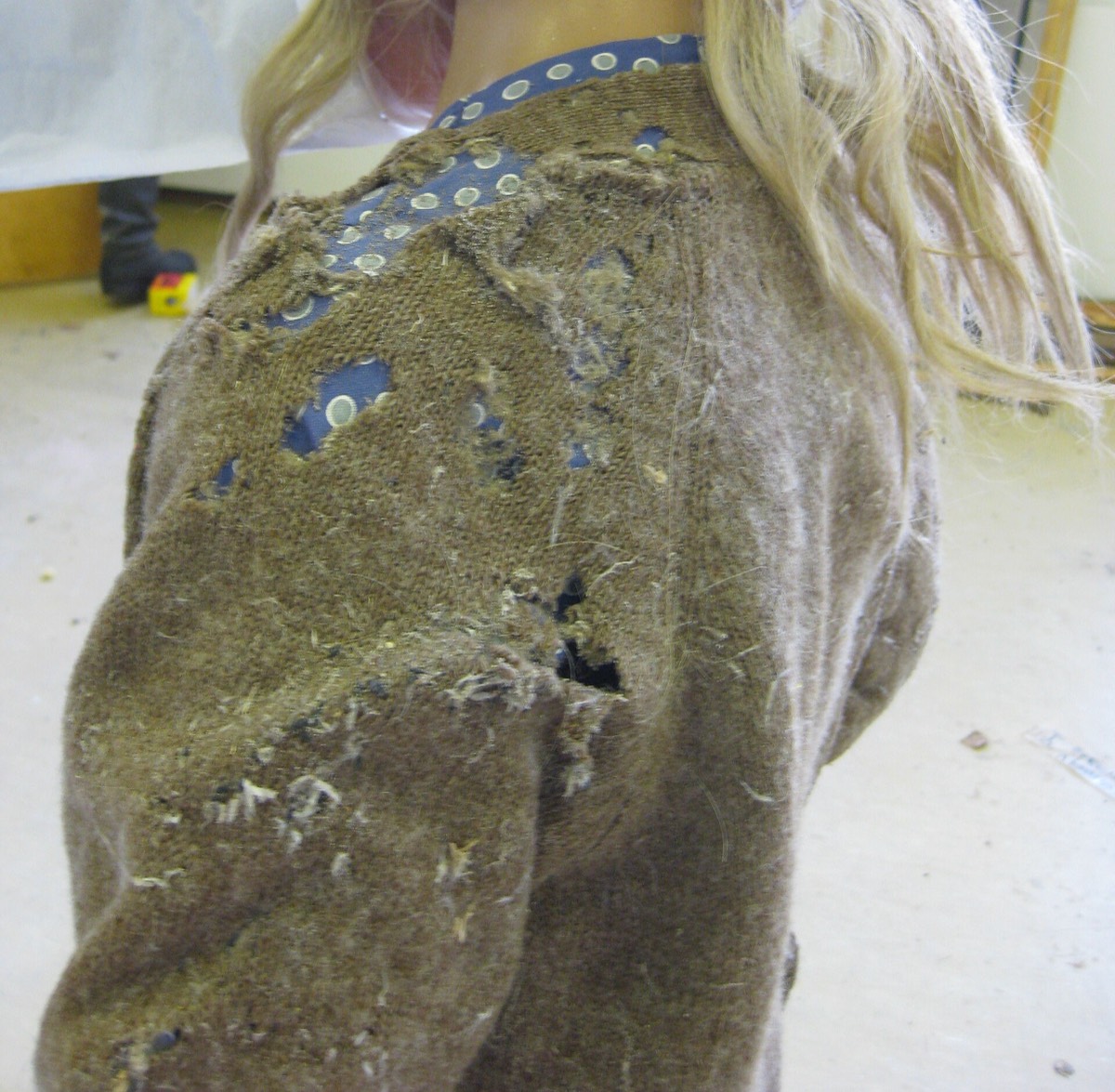

Clothes moths do not eat clean wool for fun. The adults lay eggs on protein fibres — wool, silk, fur, feathers — and the larvae eat the fibre. Dark, undisturbed, slightly damp places with traces of sweat, skin or food are ideal. Prevention is mostly about removing those conditions.
No single remedy is enough. Cleaning, dry storage, physical barriers and monitoring work together.
Before storage
- Clean the garment. Wash or dry clean it according to the care label. Body oils, sweat and food traces attract moths.
- Dry it completely. Damp wool in a dark cupboard is an invitation.
- Inspect seams, folds and cuffs. Larvae prefer undisturbed edges and folds.
- Repair small holes before storing, so you can tell new damage from old.
Storage that works
| Method | What it does | Limits |
|---|---|---|
| Clean, sealed box or bag | Keeps moths away from the fibre | Must be completely dry; check the seal |
| Cedar chest or cedar blocks | Deterrent; pleasant smell | Not a killer; the effect fades as the surface ages |
| Lavender sachets | Deterrent | Not a guarantee; refresh regularly |
| Moth traps | Monitor and catch adults | Do not stop an established infestation |
| Cool, dry, dark storage | Less favourable conditions | Does not replace cleaning or sealing |
For long-term storage, a clean, dry, sealed container is the most reliable physical barrier. Cedar and lavender can help, but they should be treated as deterrents, not as proof that the garment is safe.
What not to do
- Do not store dirty knits. The traces are the food source.
- Do not rely on cedar alone. It does not kill eggs or larvae.
- Do not use mothballs casually. They are pesticides; follow the label and keep them away from children and pets. Many people prefer physical barriers and monitoring instead.
- Do not ignore a small hole. It can be the start of an infestation.
Monitoring
Check stored knits once or twice a season. Look at the folds, the underarms and the cuffs, and look for small holes, webbing or live larvae. Traps can tell you whether adults are active, but they are not a treatment on their own.
If you find an active infestation, isolate the affected items, clean them according to their care labels, and consider professional advice. Do not spread a pesticide through a wardrobe without understanding the label and the risks.
A worked example
At the end of winter, wash the wool sweaters, dry them flat, fold them with a cedar block or lavender sachet, and put them in a clean, dry box with a lid. Label the box with the date and contents. Check it in early autumn, before the heating comes on and the wardrobe is closed up again.
The label matters: if you find damage, you know when the box was packed and which garments were stored together.
Second-hand and inherited knits
Second-hand wool can bring eggs or larvae with it. Inspect it in daylight, clean it according to the care label, and store it separately for a few weeks before putting it with the rest of the collection. If you see webbing or live larvae, isolate the item and seek advice rather than treating the whole wardrobe.
If you use a sealed plastic box, make sure the garment is completely dry; trapped moisture can cause mildew. A breathable cotton bag reduces condensation but does not seal out moths as reliably. Choose based on your climate and check the contents regularly.
Limits
Prevention reduces risk; it does not guarantee that a garment will never be attacked. Old houses, shared walls and second-hand purchases can bring moths in. Clean storage and monitoring are the practical baseline, not a promise.
For the wash step see hand-washing; for reshaping see blocking wool.