Notes on gauge, yarn and arithmetic.
The guides follow the order a project usually needs: measure the swatch, diagnose a gauge that will not match, choose a substitute by length, then estimate the quantity.
49 guides
-
Do needle materials change gauge? How to test it
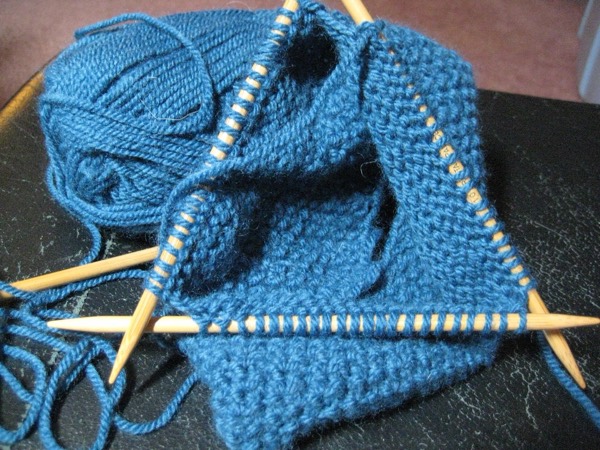
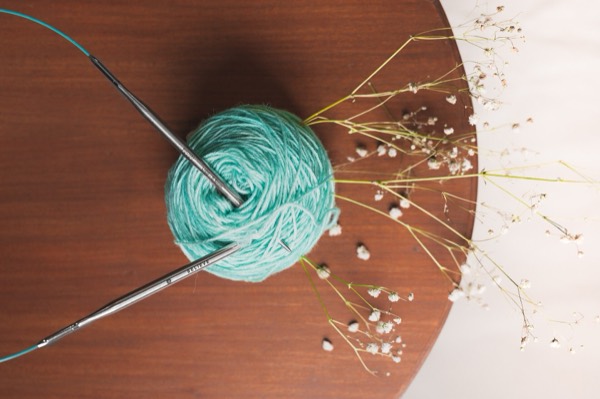
Wood, metal, bamboo and carbon can feel different in the hand. Whether they change your gauge is a personal question you can test in one swatch pair.
Read the guide -
Interchangeable needle sets: what to check before buying
A set is only worth it if the sizes, cables and joins fit the way you knit. What to compare before you spend.
Read the guide -
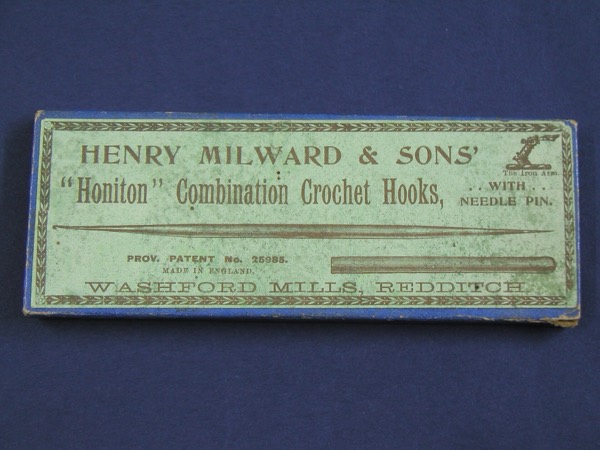
Steel crochet hooks: the sizes that run backwards
Steel hooks are numbered the opposite way to regular hooks, and they use a different scale. Here is the chart and how to read a thread pattern.
Read the guide -
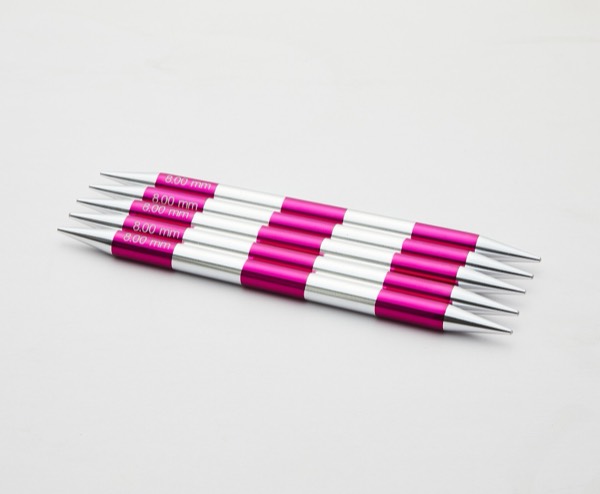
DPNs, magic loop and short circulars: choosing a method
Small circumferences need a method, not just a needle. How DPNs, magic loop and short circulars compare, and how to choose by stitch count.
Read the guide -
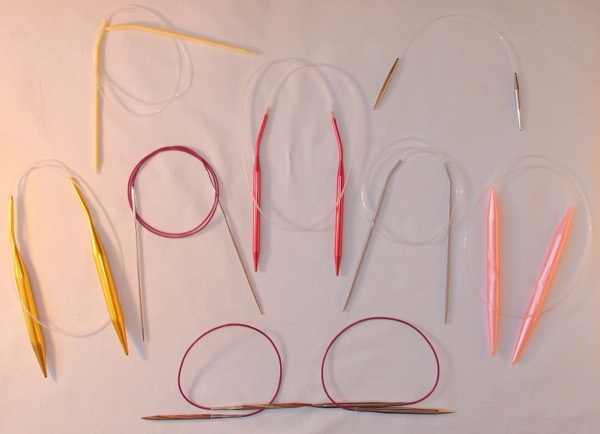
Needle and cable length for a project
Cable length decides whether your stitches sit comfortably or stretch around the needle. How to estimate the right length from stitch count.
Read the guide -
Positive vs negative ease: how much to add
Ease is the difference between the body and the finished garment. How much to add for sweaters, hats, socks and mittens — and how to turn it into stitches.
Read the guide -
How to measure a body for a garment
A tape measure, a mirror and someone to help. The measurements that matter for a sweater, hat or socks — and the mistakes that make them wrong.
Read the guide -
Sleeve and armhole maths without a pattern
Set-in sleeves need four numbers and a gauge. How to derive armhole depth, sleeve width and increase rates from a garment that already fits.
Read the guide -
Short rows: where the maths goes
Short rows add length in one part of the fabric without adding rows everywhere. How to turn an extra length into rows, turns and stitch counts.
Read the guide -
Garment length and row gauge
Length is rows multiplied by row gauge. If your row gauge is off, a pattern written in rows will not land at the intended measurement.
Read the guide
Page 3 of 5