Notes on gauge, yarn and arithmetic.
The guides follow the order a project usually needs: measure the swatch, diagnose a gauge that will not match, choose a substitute by length, then estimate the quantity.
49 guides
-
Intarsia: measuring and joining
Intarsia uses separate yarn lengths for each colour block. How to count stitches per block, estimate yarn, and join without holes.
Read the guide -
Crochet gauge vs knitting gauge
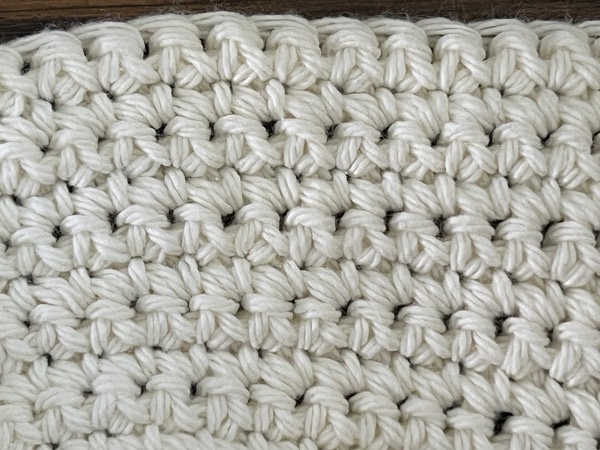
The same yarn gives different gauge in knitting and crochet. Why the two columns cannot be swapped, and how to measure crochet gauge properly.
Read the guide -
Crochet hook size and tension
The hook size on the label is a starting point, not a result. How to read the millimetre size, match gauge, and adjust tension without fighting the yarn.
Read the guide -
Amigurumi maths: gauge, size and stuffing
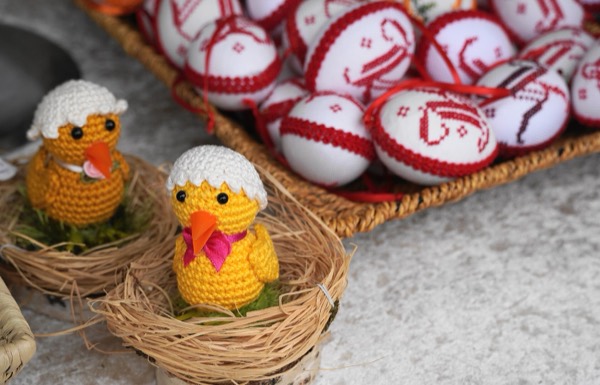
Amigurumi size is stitch count, rounds and gauge. How to plan a toy from a target height, and why the hook is usually smaller than the label suggests.
Read the guide -
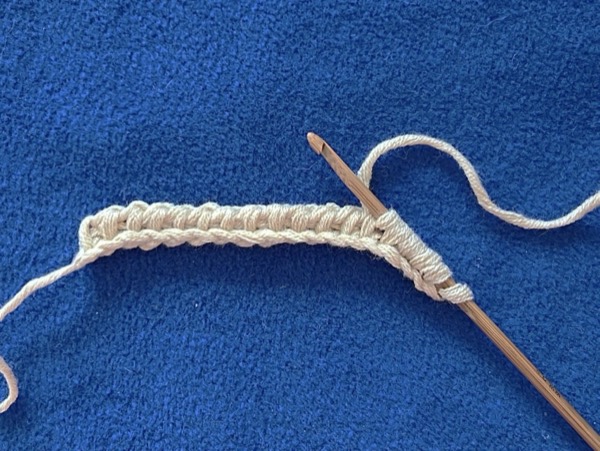
Tunisian crochet gauge and hook size
Tunisian crochet uses a long hook and produces a dense, curly fabric. How to swatch it, measure gauge, and choose a hook size that fits the pattern.
Read the guide -
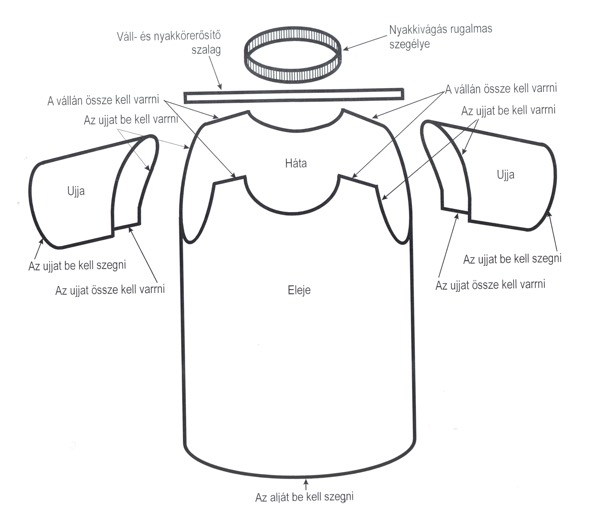
How to read a knitting pattern schematic
A schematic shows the finished garment, not the body. How to read the measurements, compare them with your own, and catch a wrong size before casting on.
Read the guide -
How to choose a pattern size
Size labels are shorthand; finished measurements are the fact. How to choose a knitting pattern size from your body, your ease and the schematic.
Read the guide -
How to adjust a pattern for a different gauge
When your swatch does not match the pattern, you can change needles or recalculate the stitch counts. How to do the second without losing the shaping.
Read the guide -
Raglan vs set-in vs drop-shoulder
Three sweater constructions, three different fits. How raglan, set-in and drop-shoulder change the armhole, the shaping and the amount of seaming.
Read the guide


Page 5 of 5