Notes on gauge, yarn and arithmetic.
The guides follow the order a project usually needs: measure the swatch, diagnose a gauge that will not match, choose a substitute by length, then estimate the quantity.
49 guides
-
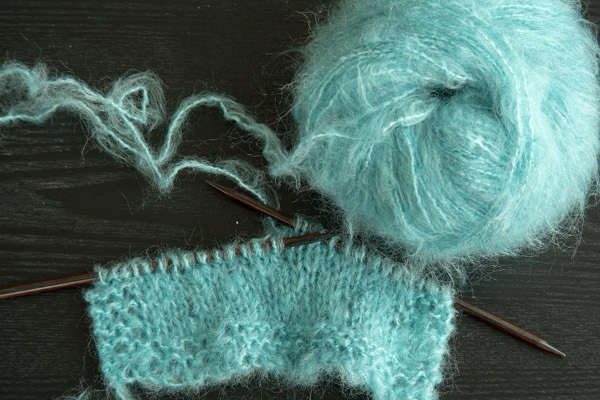
Alpaca and mohair: substituting halo fibres
Halo fibres add drape, warmth and softness, but they change stitch definition and gauge. What to check before swapping alpaca or mohair.
Read the guide -
How ply and spin change a substitute
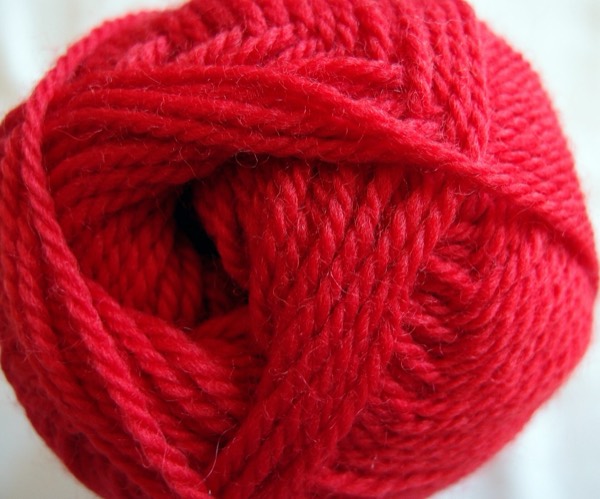
Two yarns can share a weight and fibre and still knit into different fabric. Ply, twist and spinning method explain why.
Read the guide -
When the substitute gauge is close but not exact
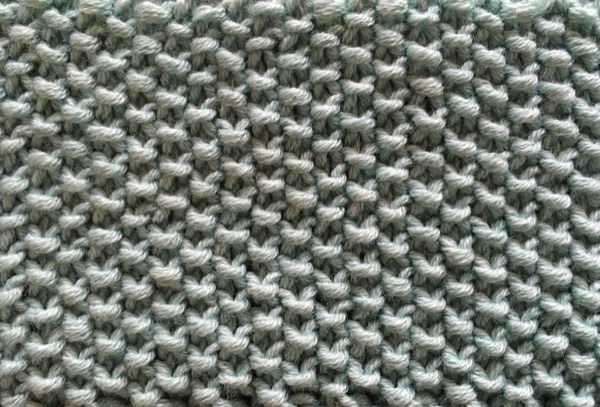
One or two stitches per 10 cm can be a size. How to decide whether to change needles, recalculate, or choose another pattern size.
Read the guide -
How much yarn do I need? Weigh a swatch.
Pattern yardage is a starting point, but it assumes the pattern's gauge and size. A kitchen scale and a swatch give you a number that fits your project.
Read the guide -
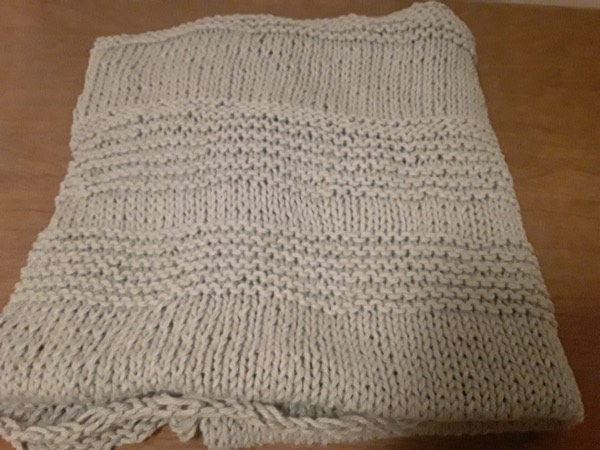
How much yarn for a blanket
Blanket yardage is an area problem. Measure a swatch, estimate the finished area, add the border and a buffer, then convert to skeins.
Read the guide -
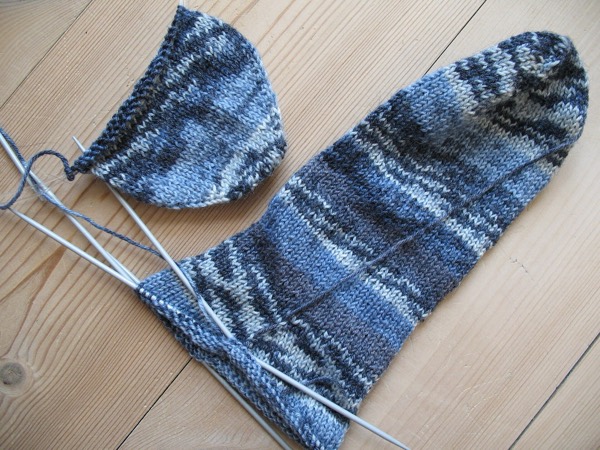
How much yarn for socks
Sock yardage depends on foot size, leg length, gauge and heel construction. Estimate it with a swatch instead of assuming one skein is enough.
Read the guide -
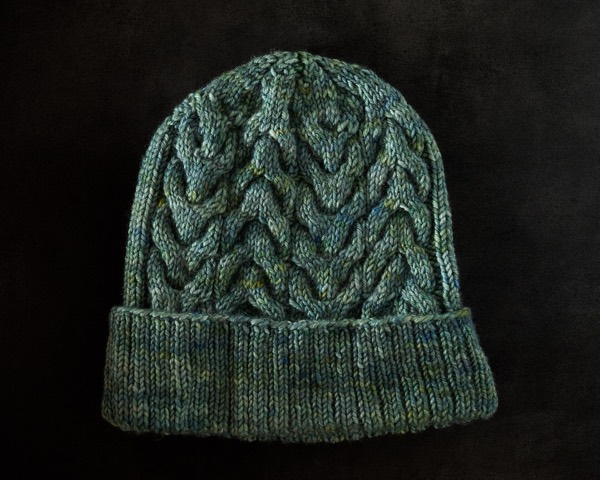
How much yarn for a hat
Hat yardage depends on head size, depth, brim, gauge and stitch pattern. A swatch-weight estimate keeps you from buying a second skein for the last few rounds.
Read the guide -
Using partial skeins without running out
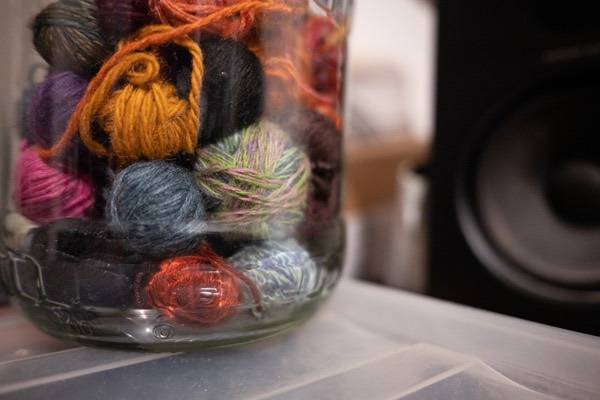
A stash of part-used skeins is a quantity problem, not a colour problem. Measure by length, plan the project around the constraint, and leave a buffer.
Read the guide -
How much yarn for a sweater, by size
Sweater yardage depends on size, length, sleeves, gauge and stitch pattern. Use a swatch-weight estimate instead of borrowing a number.
Read the guide -
Circular vs straight needles: does your gauge change?
Changing needle type can change your gauge even when the stitch pattern is the same. How to test it without guessing.
Read the guide
Page 2 of 5