Notes on gauge, yarn and arithmetic.
The guides follow the order a project usually needs: measure the swatch, diagnose a gauge that will not match, choose a substitute by length, then estimate the quantity.
49 guides
-
How to measure ease on a finished garment
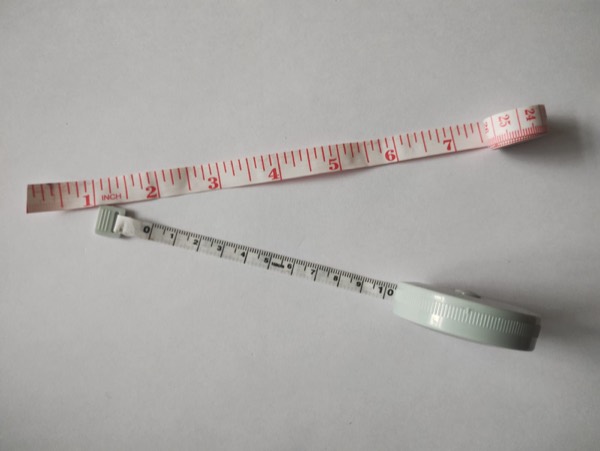
A sweater you already wear is a better ease reference than a table. How to measure it flat, compare it with your body, and use the number.
Read the guide -
How to block wool
Wet blocking evens the stitches, opens lace and brings wool to its finished measurements. The sequence, the cautions, and how to measure the result.
Read the guide -
How to block cotton and acrylic
Cotton can be wet blocked but grows; acrylic has limited blocking and hates heat. How to finish each fibre without flattening the fabric.
Read the guide -
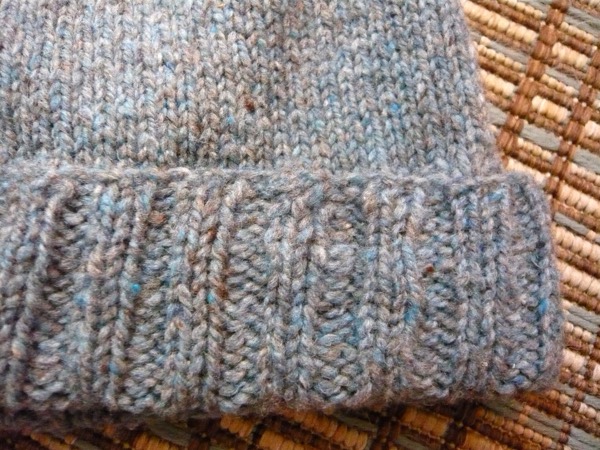
Washing handknits: temperature, agitation and drying
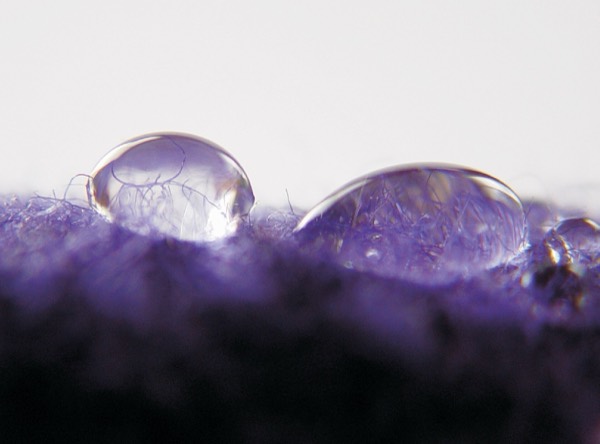
Three variables decide whether a handknit survives the wash: water temperature, agitation and drying. How to read the label and wash without surprises.
Read the guide -
Pilling: why it happens and what to do
Pills are fibre ends tangling on the surface. Fibre length, twist, abrasion and washing decide how much you get — and what you can do about it.
Read the guide -
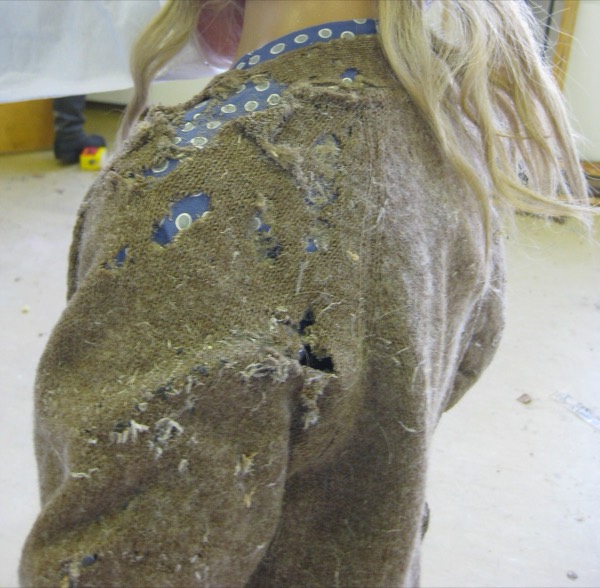
Moth prevention and storage
Clothes moths eat protein fibres, and dirty knits attract them. How to clean, store and monitor wool without relying on a single remedy.
Read the guide -
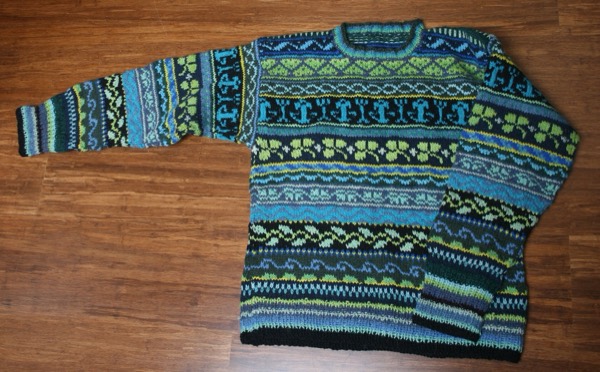
Stranded colourwork gauge
Stranded knitting pulls in, and the floats change both width and row height. How to swatch colourwork in the round and adjust before the yoke.
Read the guide -
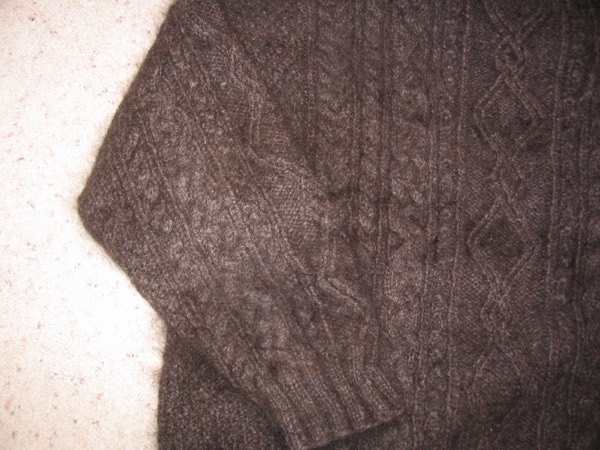
Cable gauge and fabric density
Cables pull in and use more yarn than stockinette. How to swatch a cable panel, measure its real width, and adjust before the body.
Read the guide -
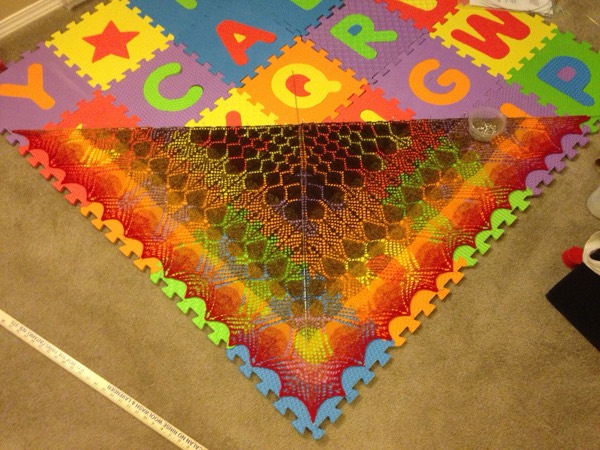
Lace gauge and blocking
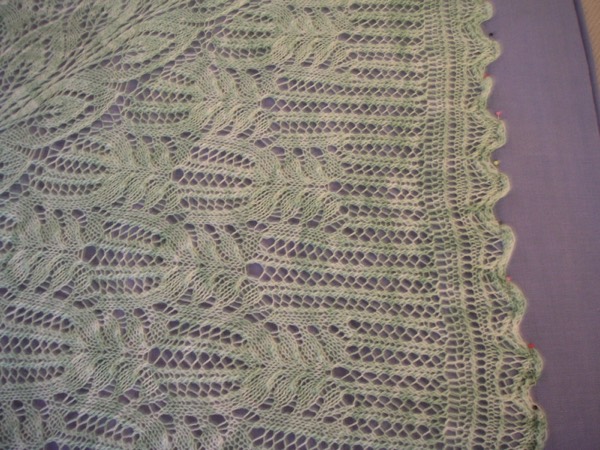
Lace gauge is a measurement after blocking, not before. How to swatch openwork, pin it to size, and recalculate when the fabric opens.
Read the guide -
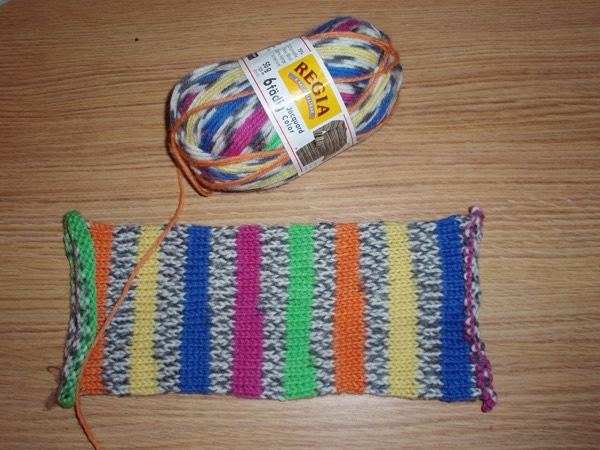
Variegated yarn: pooling and stitch count
Why one variegated yarn stripes neatly and another pools into blotches — and how stitch count, gauge and colour repeat decide the result.
Read the guide
Page 4 of 5